In recent months, social media has witnessed the rise of a new type of influencer: AI literacy educators. Among them, one name stands out — Jeremy Carrasco, who has quickly gained hundreds of thousands of followers on TikTok and Instagram by teaching something that few creators considered explaining: how to spot when a video was generated by artificial intelligence.
Jeremy always dreamed of being a content creator, yet he spent years behind the scenes as a producer and director for multicamera livestreams. Only recently did he decide to step in front of the camera — and for a clear reason: conversations around AI were being shaped almost entirely by major tech companies.
He noticed the absence of voices discussing AI from the viewpoint of someone who truly understands the realities of content production. “We need people who look at AI from the mindset of a producer, a creator — someone who lives and breathes audiovisual,” he says.
📢 Recommended Tool
Convert, compress, and optimize your files instantly using SwapFiler’s free online tools. No signup required — fast, secure, and 100% browser-based.
Try it now →Originally, Jeremy’s plan was to teach people how to ethically use AI in video creation. His page name, showtoolsai, reflects that early optimism. But that phase didn’t last long.
As he posted consistently, Jeremy realized the public lacked even the basics: how to tell a real video from an AI-generated one. And that’s where he found his niche.
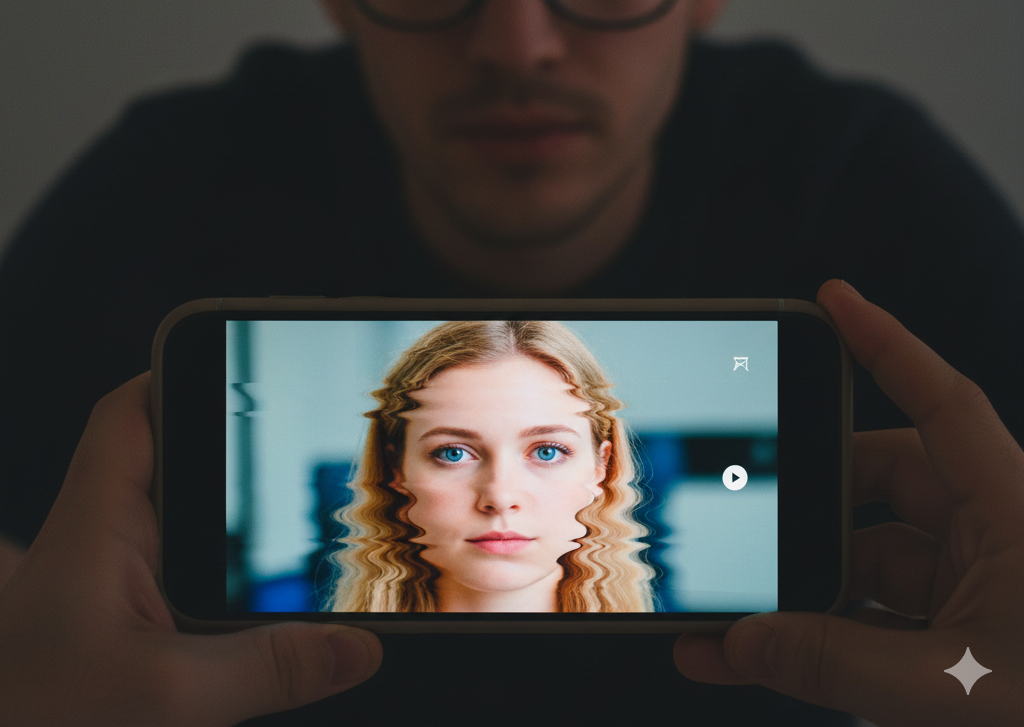
Today, his audience grows daily thanks to content that explains the subtle “tells” of AI videos — small visual glitches that often reveal a synthetic origin. Some of the most common signs include:
- Blurry or clay-like textures, or surfaces that appear overly smoothed
- Eyes moving unnaturally or momentarily losing focus
- Background objects that appear and disappear illogically
- Impossible motion or distortions in shadowed areas
For Jeremy, this form of digital education is essential — especially now that generative AI is nearly as accessible as an Instagram filter. He believes the future of the internet will rely heavily on AI literacy, meaning the ability of users to critically evaluate the content they consume.
And he might be right. Amid a digital world increasingly filled with deepfakes, synthetic videos, and manipulated media, creators like him are emerging as indispensable guides for a new generation of viewers — more alert, more informed, and better protected from misinformation.