The tech world is buzzing with AI breakthroughs and flashy hardware launches — but in the background, a quiet revolution has been unfolding. And it’s happening through Bluetooth, of all things.
It’s called Auracast, and despite being one of the most impactful audio innovations in years, most people have never heard of it. Even more surprising: many devices already support it.
What Exactly Is Auracast?
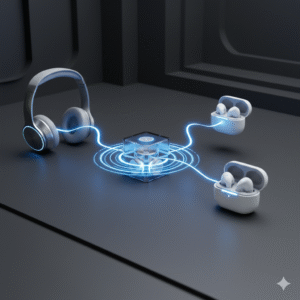
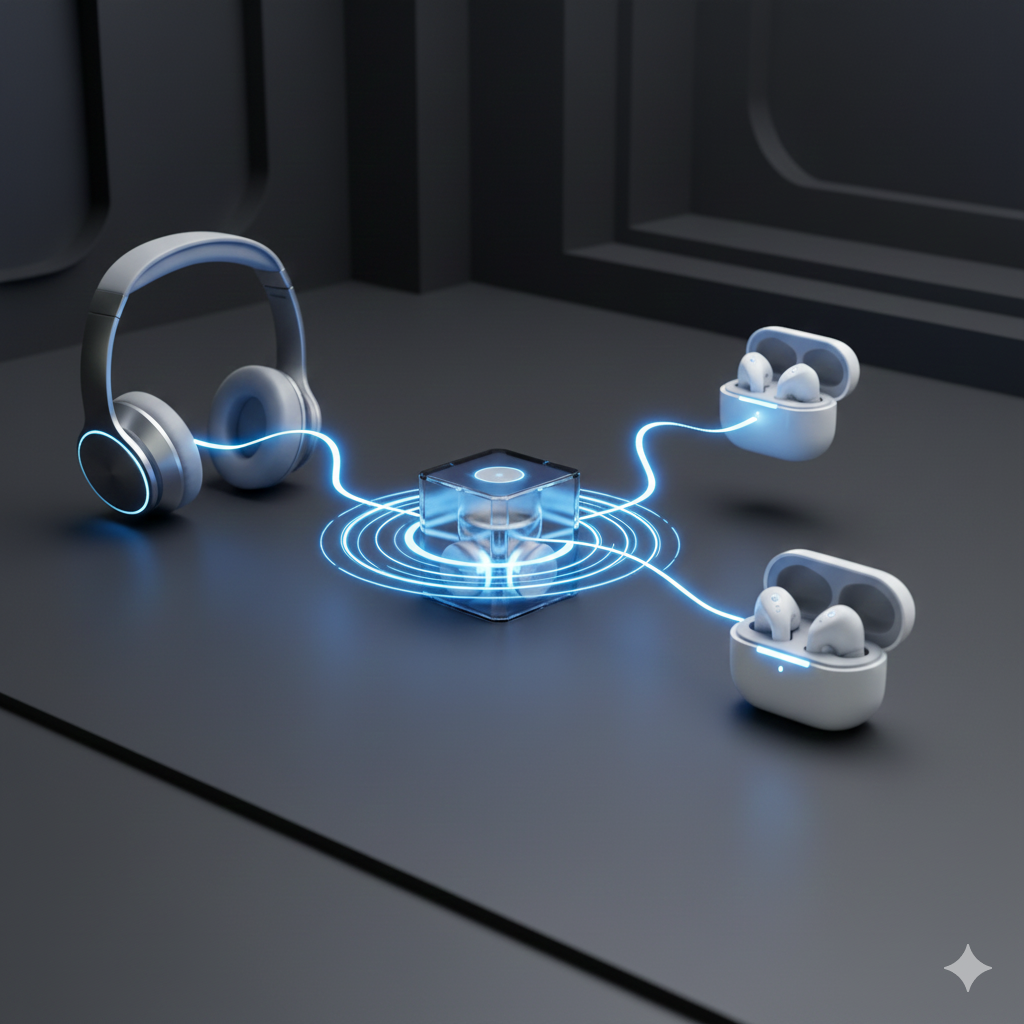
Auracast turns Bluetooth into something entirely new. Instead of pairing two devices, it allows multiple listeners to tune into a single broadcast, just like connecting to a radio station.
Imagine this:
- You’re at the airport and can tune directly into your gate’s announcements.
- At the gym, you instantly hear the TV audio on your headphones.
- In school or corporate presentations, you can connect to the speaker’s microphone with one tap.
- In crowded places, you can focus on a broadcast even if the environment is loud.
No pairing. No passwords. No frustration.
Just connect and listen.
A Huge Leap for Accessibility
At its core, Auracast has the potential to dramatically improve accessibility. People with hearing loss or sensitivity can:
- Tap into clearer audio
- Bypass background noise
- Access announcements without struggling
- Link their hearing aids directly to the broadcast source
In other words, Auracast is not just a convenience — it’s a life-changing upgrade for millions.
🔧 Need Quick File Conversions?
Convert PDFs, images, audio, and more — fast, secure, and free.
Try SwapFiler ToolsWhy Aren’t Companies Talking About It?
While Auracast has been officially introduced for years, adoption has been slow.
Every CES since 2023, the Bluetooth SIG demonstrates the technology behind closed doors — and then the conversation fades for another year.
Some companies support it but barely mention it:
- Recent Google, Samsung, and OnePlus phones include Auracast compatibility
- Sony added “Audio Sharing” (powered by Auracast) to the XM5 and XM6
- Many earbuds and headphones technically support it, but brands rarely emphasize it
One company that does push it consistently is JBL, to the point where many consumers believe Auracast is JBL-exclusive — which isn’t true.
Even more impressive: some JBL headphones include a separate Auracast transmitter to broadcast audio directly to other nearby devices.
The Future of Public Spaces Will Sound Very Different
Once Auracast becomes mainstream, everyday environments will change dramatically:
- Airports will broadcast gate updates directly to passengers
- Gyms will stream TV audio to your earbuds
- Museums can offer multilingual tours instantly
- Classrooms can let students tune into the teacher’s microphone
- Theaters and stadiums can provide assistive listening feeds
It’s a small feature with massive real-world impact — the kind of shift that sneaks up quietly and then becomes impossible to live without.
Final Thoughts: A Sleeping Giant in Everyday Tech
Auracast may not have the hype of AI, VR, or robotics, but its potential is enormous.
It solves real problems, improves accessibility, and makes audio more flexible than ever before. As more devices adopt it, we’re likely to see a wave of new use cases that reshape the way we interact with sound in public and private spaces.
The only question now is:
When will the tech industry finally give Auracast the attention it deserves?